The Peace Sign Hand Symbol: A Designer’s Review for Real Embroidery Projects
Every embroidery designer knows that the true value of a digital embroidery file isn’t in the preview image, but in how it translates to thread and fabric. When I first opened the Peace Sign Hand Symbol design, my immediate thought was: classic. This isn’t a trendy, complex graphic; it’s a universally understood icon with a straightforward, friendly mood. It feels open, optimistic, and inherently personal. For crafters and small business owners, that’s a powerful starting point.
First Impressions & Project Fit
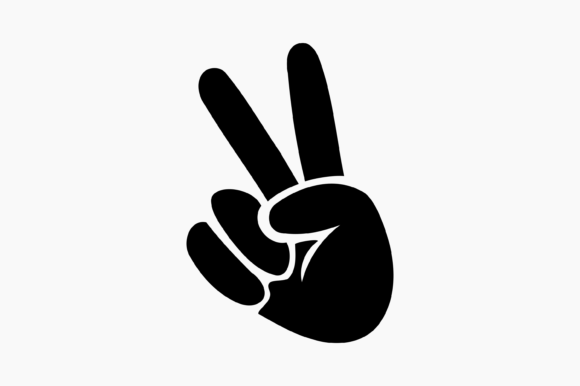
The shape is clean and balanced, which is excellent for embroidery. The hand symbol’s lines are bold enough to translate well into satin stitches or a solid fill stitch without getting lost. Its visual personality is quiet but confident—it doesn’t scream, it suggests. This makes it a natural fit for projects where the message should feel gentle and heartfelt. I pictured it instantly on a custom embroidered tote bag for a friend, or as a small, sweet detail on the corner of a baby blanket or a child’s sweatshirt. For boutique product lines, it slots perfectly into categories like mindful gifts, personalized nursery decor, or simple, statement kitchen towels.
Performance Across Real Embroidery Situations
Let’s talk about real use. I mentally walked through a typical scenario: preparing a batch of embroidered caps for a small shop. The Peace Sign Hand Symbol’s simplicity is its strength here. On curved surfaces like caps, a design with too many intricate corners can distort, but this one, with its smooth, overarching shape, should hoop cleanly and stitch out reliably. For apparel decorators, it’s versatile. On a heavyweight sweatshirt, it can be a larger, central feature. On a delicate t-shirt, a smaller, finer version near the collar can work as a subtle accent.
For patch-making, it’s ideal. The design’s recognizability means an embroidered patch featuring it becomes an instantly understandable badge. For Etsy sellers creating handmade products, this is key—it reduces the need for explanation and taps into immediate customer empathy. In printable mockups for digital product sellers, it creates a clean, appealing preview for items like mugs or stickers, though for actual embroidery, we’re judging the stitch file.
Where to Use With Care
Even a simple design requires practical judgment. The Peace Sign Hand Symbol’s open areas are generally good, but on very small hoop sizes—think under 3 inches—the two fingers forming the sign could become a dense stitch area if the design isn’t optimized for scaling. Always test a scaled-down version on scrap fabric first. On textured fabrics like thick wool blankets, the symbol’s clarity depends on your stitch density and stabilizer choice. On stretchy fabrics, ensure you’re using the right stabilizer to prevent distortion of the circular part of the hand.
Dark fabric backgrounds are a classic consideration. The design’s positive shape will rely on high-contrast thread colors to pop. A white or light-colored satin stitch on a black denim tote bag would look sharp, but you must check that the file’s stitch paths are clean for such an application. For products destined for frequent washing, like aprons or tea towels, the design’s lack of super-fine detail is a benefit—it’s less likely to fray or lose definition over time.
Impact on Product Value & Customer Perception
From a commercial embroidery perspective, this design affects your product in subtle ways. Its universal recognition builds instant customer trust—they know what it means and what it represents. That trust translates into perceived value and giftability. A holiday gift like an embroidered pillow cover with this symbol feels thoughtful and personal, not generic. For a craft business, using such a well-executed, clean graphic reinforces handmade presentation and brand consistency if your shop ethos aligns with themes of peace, kindness, or community.
It boosts professionalism because it’s a design that looks intentionally chosen, not randomly slapped on. In Etsy listings or craft fair displays, an embroidered baby item featuring this symbol engages buyers through emotion, not just aesthetics. It tells a small story. As a digital embroidery file intended for unlimited use, its commercial potential for finished products is clear, but the responsibility is on you, the maker, to verify the specific licensing terms provided with the files before selling any embroidered merchandise.
A Designer’s Practical Notes Before You Hoop
My final thoughts are always practical. For the Peace Sign Hand Symbol, I would strongly advise:
- Test it on your typical scrap fabric first. Check how the stitch density feels, especially in the fingers and palm area.
- Review thread color contrast. Try it in both black and white mockups (or actual stitches) on light and dark backgrounds to see its true visual weight.
- Confirm your intended hoop size works with the design’s scale. Don’t assume a 5-inch version will look perfect at 1.5 inches.
- Inspect the small details in your embroidery software. Look at the corners where the fingers meet—are they clean paths for your machine?
- Use proper stabilizer for your chosen fabric. This is non-negotiable for maintaining the symbol’s clean shape.
- Remember, this is a digital design asset. Its performance depends on your machine, your materials, and your skill. The files come in multiple formats (SVG, PNG, EPS, DXF) which are great for cutting machines and graphics, but for embroidery, you must ensure you have the correct embroidery file type for your machine from the seller.
- Finally, clearly understand the license. The description mentions “unlimited use,” but for commercial embroidery projects where you’re selling the finished product, always double-check the exact terms to operate with confidence and professionalism.
The Peace Sign Hand Symbol is a quiet, reliable graphic. In the right hands, on the right fabric, with thoughtful execution, it becomes more than a craft—it becomes a meaningful, well-made product. That’s the goal we’re all stitching toward.