Music is Life Embroidery Design: A Practical Designer Review
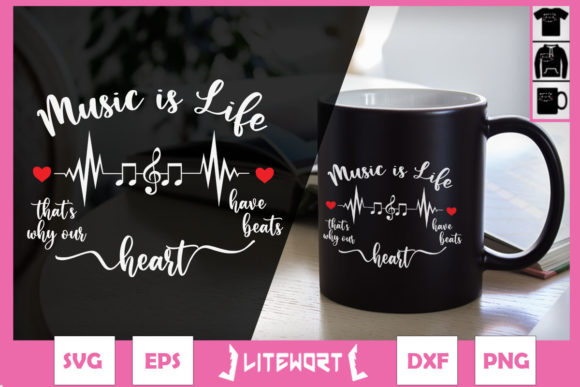
When a design arrives named ‘Music is Life’, you immediately get a sense of its heart. It’s not just a graphic; it’s a statement. Before I loaded it into my software or hooped any fabric, I considered the mood it would bring to a finished piece. This design feels celebratory and personal, a declaration of passion that would resonate deeply with a client or customer who sees music as a core part of their identity.
The First Impression: Visual Personality & Project Fit
The layout and theme suggest a design meant to be seen and appreciated, not hidden in small details. The phrase “Music is Life” itself carries weight, so the visual execution needs to support that boldness. From a glance at the provided files, this isn’t a tiny, intricate motif. It has a presence that would anchor a piece, making it ideal for projects where the embroidery is the focal point.
I immediately thought of a custom embroidered sweatshirt or a canvas tote bag for a music teacher or a serious fan. It would also make a wonderful personalized gift, like a pillow cover for a musician’s studio or an apron for someone who loves singing while cooking. The design’s personality leans toward a clean, readable aesthetic, which is perfect for boutique products or craft fair merchandise where clear, attractive messaging sells.
Where Music is Life Performs Best in Real Projects
In practical application, this embroidery design would shine on stable, medium-weight fabrics. A cotton sweatshirt, a linen apron, or a sturdy tote bag would be perfect canvases. The likely stitch structure—clean outlines and filled areas—would maintain excellent clarity on these surfaces.
For a small business owner creating holiday gifts or wedding gifts for couples who share a love of music, embroidering this onto a set of kitchen towels or a blanket could create a deeply meaningful product. As an apparel decorator, I’d consider it for the back of a jacket or the front of a cap, assuming the file’s scaling allows for it. For digital product sellers using it in printable mockups, the clean files would help present a professional preview for customer engagement.
Considering Baby Items and Detailed Applications
While the theme is universal, applying it to baby clothes or nursery decor requires careful thought. On small items like a baby bib, the design would need to be scaled down significantly. You must check the stitch density and the clarity of any small lettering at that reduced size to ensure it doesn’t become a dense, stiff patch that’s uncomfortable for a child. A test on scrap fabric is absolutely non-negotiable here.
Where This Design Requires Careful Execution
Not every project is a perfect fit. With a bold, text-based design like Music is Life, you need to be mindful of a few key scenarios. On highly textured fabrics like some towels or blankets, the stitches might sink in and lose visual punch. On dark fabric backgrounds, thread color contrast is paramount; you’ll need to choose a bright, contrasting palette to make the statement pop.
On curved surfaces like caps, the layout must be checked for distortion, especially if there are detailed corners. Thin or stretchy fabrics, like some t-shirt materials, demand the correct stabilizer to prevent puckering and to maintain the design’s integrity after frequent washing. If you’re creating an embroidered patch from this design, the stitch density needs to be suitable for a standalone, often thicker, application.
How It Impacts Your Product’s Value and Appeal
From a professional standpoint, using a well-executed design like this elevates your finished product. It adds perceived value and craftsmanship. For a handmade presentation, it shows thoughtful selection—you’re offering a meaningful sentiment, not just a generic shape. This builds customer trust and can enhance brand consistency if you specialize in personalized, sentiment-driven goods.
The giftability is high. A client receiving a custom apparel item with this embroidery feels seen and understood. For an Etsy seller or small shop owner, it’s a design that can tell a story in your listing photos, creating stronger buyer engagement. It has recognition power; people will instantly connect with the message if it aligns with their passions.
A Real-Life Scenario: Preparing a Custom Tote Bag
Let me walk through a real case. Imagine I’m preparing a custom embroidered tote bag as a gift for a friend’s band anniversary. I’ve chosen a natural canvas bag. My first step isn’t to embroider directly. I’ll test the Music is Life design on a scrap of similar canvas. I’ll check the thread colors—perhaps a rich black or a deep blue for the lettering against the natural background. I’ll review the stitch density to ensure it won’t make the bag stiff in that area.
I’ll confirm the hoop size needed and inspect the small details in the preview to see how they translate into stitches. I might even test a black and white mockup to ensure the design’s form holds up without color. After stitching, I’d assess the clarity and the overall impact. Would it look professional? Would my friend love it? The answer, with proper preparation, is likely yes.
Essential Designer Notes Before You Stitch
Always, always test on scrap fabric first. This is your safety net. Check thread color contrast for both light and dark fabric backgrounds you plan to use. Review the inherent stitch density of the file in your software; a very dense design might require adjusting for delicate fabrics.
Confirm the physical hoop size your machine will need. Inspect any small lettering or decorative accents in the design file to foresee potential stitching issues. Use the proper stabilizer for your chosen fabric—this is critical for stitch clarity and product longevity.
Finally, and crucially for craft businesses and commercial embroidery, check the licensing terms provided with the design. The included SVG, PNG, DXF, and EPS files are versatile design assets, but you must confirm whether they are cleared for personal use, commercial use, or selling finished products and digital products. Never assume. This protects your business and respects the designer’s work.
Music is Life is more than a graphic; it’s a project-ready statement waiting for your needle and thread. With practical planning and an understanding of its strengths, it can become a standout element on your next handmade product, turning a simple item into a cherished, meaningful piece.