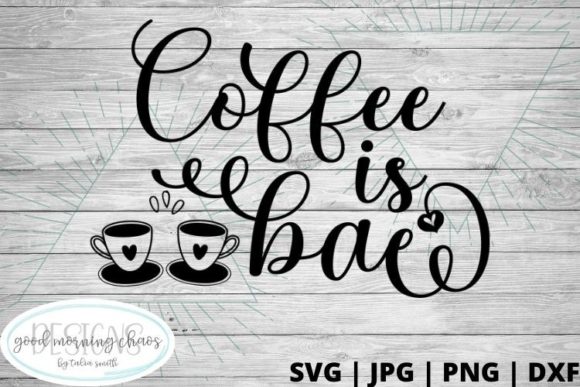
Evaluating Coffee is Bae for Real Embroidery Projects
When I open an embroidery file like Coffee is Bae, I’m not just looking at a graphic. I’m judging a potential project: how it will stitch out, where it will shine, and where it might challenge me. This design, with its playful coffee-themed phrase, arrives with a certain mood right away. It feels contemporary, a bit cheeky, and instantly relatable—a combination that signals it’s meant for everyday enjoyment rather than formal decoration. The layout and simplicity suggest it’s built for clean, clear stitching, which is always a good first impression.
The Natural Habitat for This Design
So, where does Coffee is Bae belong? Imagine you’re preparing a custom order for a client who runs a small cafe and wants embroidered tote bags for her staff. Or perhaps you’re a crafter making a series of kitchen towels as holiday gifts for your coffee-loving friends. This design slots perfectly into those scenarios. Its personality is casual and warm, making it ideal for custom apparel like relaxed sweatshirts, cozy aprons, or even a well-loved cap. It wouldn’t feel out of place on a baby’s bib for a coffee-obsessed parent, or as a simple patch on a denim jacket. The theme is universal enough for boutique merchandise, yet personal enough for a handmade gift.
In a practical sense, I’m thinking about the finished product’s appeal. On a tote bag, the phrase would stitch out as a cheerful, conversation-starting detail. On a high-quality sweatshirt, it elevates a basic garment into a personalized, branded item. For an Etsy seller, this design could be the centerpiece of a whole line of coffee-themed products, from pillow covers to tea towels, creating nice consistency for a small shop.
Performance in Real Stitching Situations
Moving from idea to machine, how will Coffee is Bae perform? The design’s likely use of bold lettering and a simple illustrative element (like a cup or steam) means stitch density and clarity are key. On stable fabrics like canvas for a tote or mid-weight cotton for a kitchen towel, it should stitch beautifully. The visual appeal hinges on crisp edges and good thread color contrast. I’d recommend testing it on scrap fabric first—a golden rule for any embroidery project—to see how the satin stitches or fill stitches lay down.
For baby embroidery on softer fabrics, or on stretchy fabrics like t-shirts, you’ll need to be more thoughtful. The design’s detail level needs to be assessed; tiny lettering or intricate corners might get lost or become fragile on textured or thin fabric. Using the proper stabilizer is non-negotiable here to maintain that handmade presentation without puckering. On curved surfaces like caps, the layout needs to be checked for distortion—a quick test in a smaller hoop size can save a lot of frustration.
Where to Exercise Caution
Some applications require extra care. Dark fabric backgrounds demand a careful review of your thread color palette to ensure the design pops and doesn’t look muddy. Products destined for frequent washing, like aprons or baby items, need a robust stitch structure that won’t degrade quickly. Also, if the design has very dense stitch areas, it might be too heavy for lightweight garments, affecting both the drape and the durability. Always compare how it looks in both light and dark fabric mockups before committing to a final product.
For commercial embroidery projects, like producing a batch of patches for a local shop, clarity and speed matter. This design seems straightforward, which is good for production, but confirming the actual stitch count and file formats in the provided .ZIP file is essential before scaling up. Never assume compatibility; check your machine specifics.
Impact on Value and Engagement
Beyond the stitch, what does this design do for your craft business or gift project? Coffee is Bae has high recognition value—it’s a fun, current saying that immediately connects with a wide audience. That connection boosts buyer engagement. On a handmade product, it feels contemporary and genuine, enhancing the product’s value. For a personalized gift, it’s specific and thoughtful, increasing its giftability.
Professionally, using a clean, well-digitized design like this builds customer trust. It results in a polished finished product that reflects well on your brand, whether you’re an apparel decorator or a digital product seller offering the file itself. If you’re creating printable mockups for your digital embroidery file listings, this design’s clear aesthetics will make for attractive previews.
Essential Designer Notes Before You Hoop
Before you load the file, here’s my practical checklist. First, review the design in a black and white view on your software. This helps you isolate the stitch structure and spot any potential issues with small details that might blend together. Second, confirm the licensing terms provided with the file. Can you use it for personal and commercial projects? This is critical if you plan to sell the finished items or include it in your own digital product bundles. The product category mentions Crafts and Graphics, but the specifics are in the details.
Plan your thread colors considering the final fabric. A cream thread on a tan tote might look subtle, while a bold red on a white apron might look vibrant. Think about the mood you want. Finally, consider the hoop size. While the design likely works in a common mid-sized hoop, testing it in the intended size for your project—whether it’s a small baby item or a large pillow cover—is the only way to guarantee the scale feels right.
In the end, Coffee is Bae is more than a cute phrase; it’s a versatile design asset with strong commercial and personal appeal. Its success depends on your thoughtful application—choosing the right project, preparing the fabric properly, and stitching with an eye for clarity. When done right, it becomes a charming, professional addition to any embroidery portfolio, delighting both the maker and the eventual coffee lover who receives it.