Evaluating the Baseball Ball Cracked Wall Design for Real Embroidery Projects
Whenever a new embroidery file lands on my desktop, my first step is to imagine it not as a graphic on a screen, but as stitches on fabric. Today, I’m looking at the Baseball Ball Cracked Wall design, a piece with an immediate visual personality. Let’s walk through what makes it tick and how it might perform when you actually load it into your machine.
The First Impression: A Vintage Narrative
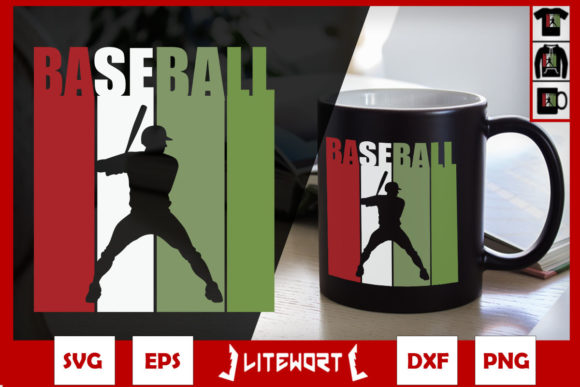
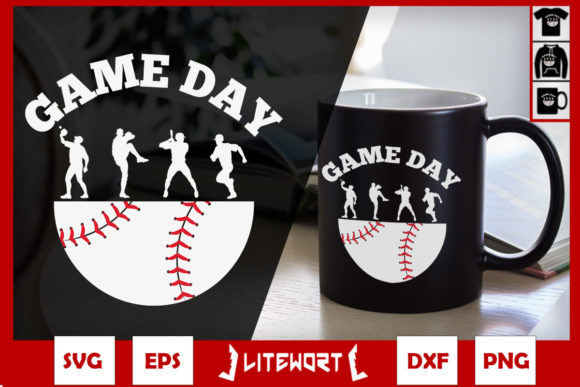
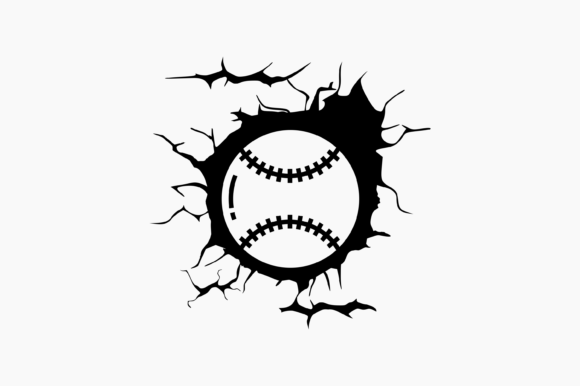
This isn’t a clean, modern sports logo. The cracked, textured wall paired with the classic baseball silhouette speaks to a nostalgic, almost story-driven aesthetic. It feels like it belongs on a product that tells a tale—perhaps a gift for a lifelong fan, a boutique item for a sports-themed room, or a custom piece for someone who appreciates that worn, vintage vibe. The layout is straightforward, which is a plus; the focus is clearly on that central graphic relationship between the ball and the wall.
For embroidery, this means the mood is already set. You’re not aiming for slick corporate branding here; you’re aiming for heartfelt, character-filled handmade appeal. This design naturally leans towards projects like custom caps for a local team’s alumni, a decorative pillow for a den, or an embroidered patch on a weathered tote bag. Its personality is its biggest asset.
Where This Design Excels in Real Projects
Thinking practically, I’d start by testing this on a medium to large hoop. The composition deserves some space to breathe. A nice, detailed sweatshirt or a sturdy canvas tote bag would be perfect canvases. The bold shapes—the baseball and the cracked lines—translate well into satin stitch borders and fill stitch areas, provided the file details are clean. I can envision it on a kitchen towel for a baseball-loving household or as a focal point on a baby’s jersey for a fun, personalized gift. For small business owners, this has a strong potential for holiday gifts like Father’s Day or as part of a sports-themed collection in an Etsy shop.
Because it’s offered in multiple formats like SVG, PNG, EPS, and DXF, it’s versatile beyond just machine embroidery. You could use it for printable mockups to preview your finished product, or integrate it into digital product previews for your online store. This flexibility is key for crafters who operate across different mediums, from embroidered apparel to creating graphics for other craft business items.
The Sweet Spot for Visual Appeal and Value
When stitched well on a suitable product, this design boosts visual appeal through its unique theme. It’s recognizable yet not generic, which can enhance customer trust in your handmade presentation. A client receiving a custom embroidered apron with this design would see it as a thoughtful, personalized product rather than a mass-produced item. For apparel decorators, that’s the gold standard—it adds perceived value and improves giftability.
Careful Considerations Before You Hoop
Now, for the cautious part. The “cracked wall” element implies detail. On very small hoop sizes, those cracked lines might become too dense or lose clarity. I would be cautious on textured fabrics like some knits, or on highly stretchy fabric without excellent stabilizer, as finer details could distort. Embroidering on dark fabric would require a thoughtful thread color choice to maintain that vintage, contrasted look.
Also, consider the application surface. Curved surfaces like caps can be tricky if the design isn’t optimized for such curves—test it first. And for products destined for frequent washing, like baby clothes or tea towels, you’d want to ensure the stitch density is appropriate to withstand wear without the design fraying. These are not flaws of the design itself, but universal embroidery project considerations that this particular graphic brings to mind.
Practical Notes from the Embroidery Desk
My standard advice always applies, but it’s especially relevant here: test this embroidery file on scrap fabric first. Use the same fabric and stabilizer combo you intend for your final project. Check thread color contrast against your background material—this design might pop wonderfully on a light linen but need a different palette on a dark denim.
Since the product description mentions it’s a digital item for unlimited use, it suggests broad applicability. However, always confirm the specific licensing terms before selling finished items or commercial embroidery projects. Does “unlimited use” cover commercial production? Verify that to protect your craft business.
Inspect the small details in your software. How do the cracked lines render at your intended size? Could they become a series of tiny, fragile running stitches? A quick stitch-out on scrap will tell you more than any screen preview. Furthermore, try creating black and white mockups to see how it holds up as a graphic alone, which helps gauge its strength for branding or logo-style use.
A Natural Fit for Creative Entrepreneurs
For makers, Etsy sellers, and digital product sellers, this Baseball Ball Cracked Wall design is a solid graphic asset. Its theme is niche but evocative, allowing you to target a specific audience. It could anchor a line of boutique merchandise—from embroidered pillow covers to printable designs for mugs. The key is pairing it with the right product. A baby blanket with this might be charming; a sleek, modern tech case might feel mismatched. Trust the design’s inherent vintage, sporty personality.
Ultimately, the success of any embroidery design in real project use comes down to matching its character with the right application and executing the technical embroidery with care. This design offers a clear mood and a versatile file set. By approaching it with a professional’s eye for detail and a crafter’s sense of practical use, you can transform it from a digital graphic into a standout finished product that resonates with your customers and clients.